
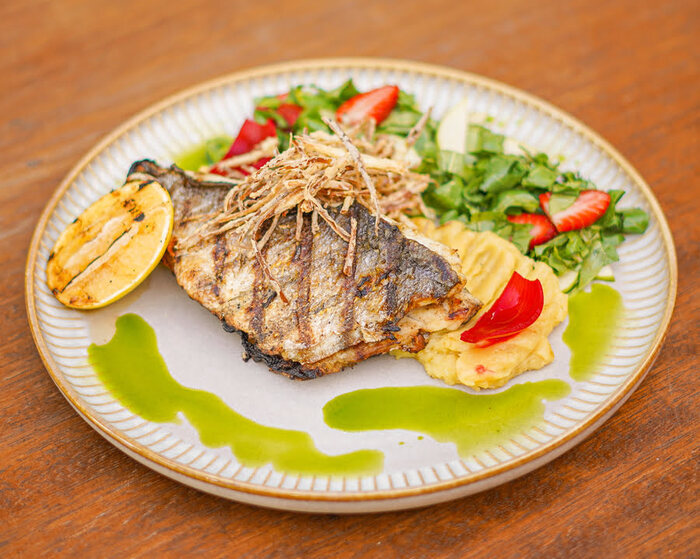
This article is an archive of seafood dishes featured at Golab in 2024. It does not represent today’s full menu or guarantee that these dishes are currently available. Please see our current restaurant menu for food choices and prices. Discover Golab today: Persian and Turkish cuisine Golab Restaurant brings Persian dishes, Turkish kebabs and mezze together on the waterfront at Ataköy Marina in Istanbul. Explore our Persian food menu, including the Golab Special Kebab Platter, or browse our Turkish kebabs and mezze selection. From the 2024 menu archive Shrimp tempura A previous seafood appetizer featuring tempura shrimp, chili sauce, chives and sesame. Grilled salmon A salmon plate from the earlier menu, served with tobiko sauce and purslane salad. Grilled sea bass A sea bass plate with salad and garnishes, photographed for the earlier menu. Seafood pasta A seafood pasta dish featured in the 2024 selection. Plan your visit Golab is open daily from 12:00 to 01:00; the kitchen closes at 00:00. Contact us for reservations and current dish availability.
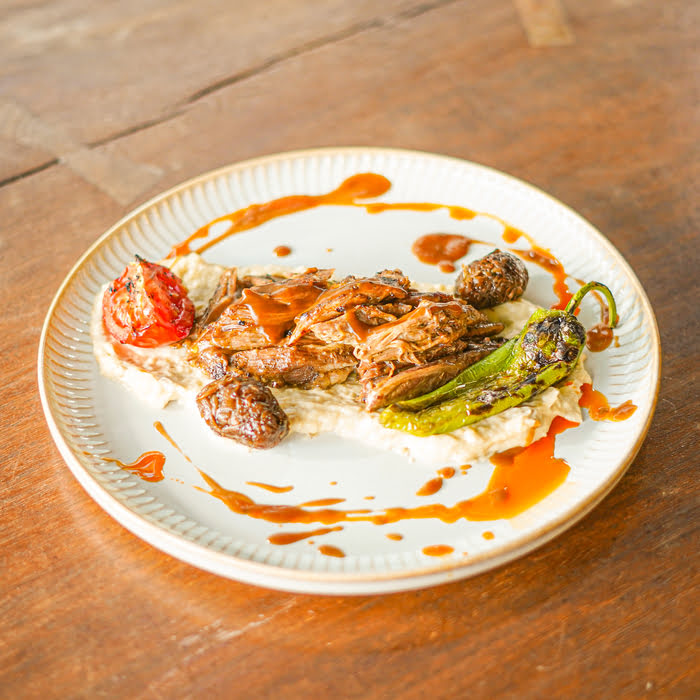
Hunkar Begendi (Sultan’s Delight) Recipe Beef
Hunkar Begendi with grilled beef, a delicious Turkish dish for your Parties and gatherings Hunkar Begendi means “the Sultan’s Delight” in Turkish. This name was given to it because of the interest of Sultan Murad IV, one of the Ottoman kings, in this dish.This delicious court dish, which has made its way from the Ottoman court to today’s tables, with its unique combination of meat, eggplant and special sauce, delights every taste. Due to its delicious taste and beautiful appearance, this dish quickly became popular among people and became one of the traditional dishes of Turkey.Hunkar Begendi is served on various occasions like Celebration, weddings, birthdays and other celebrations. This dish is considered an ideal choice for gatherings and parties due to its taste and festive appearance. The History of Hunkar Begendi: A Journey from the Ottoman Court to Today’s Tables Hunkar Begendi is one of those dishes that have roots in history and culture. This delicious court food started its journey from the Ottoman court and over time, it became one of the most popular dishes in Turkey and other parts of the world. The History Of This Food During The Ottoman Period Hunkar Begendi is said to have been invented by Ottoman court cooks for Sultan Murad IV. Sultan Murad IV was very fond of eggplant. Therefore, the cooks prepared this dish with eggplant and meat, which was the favorite of the Sultan. Another story about the origin of this dish is related to Sultan Murad IV’s love for one of his wives.It is said that this dish was prepared for the first time by the beloved wife of Sultan Murad IV and became a favorite of the Sultan due to its delicious taste and beautiful appearance. Hunkar Begendi recipe changes over time Hunkar Begendi has changed over time. At first, this dish was prepared with sheep meat, but today beef, chicken and even turkey are also used in its preparation. Also, the method of cooking eggplant and honkar Begendi sauce is also included The length of time has changed. Types of Hunkar Begendi By type of meat:With beef: This type of hunkar Begendi is the most common and is prepared with stewed or minced beef.With Mutton: The strong taste of mutton gives a unique taste to this type of hunkar Begendi.With chicken meat: This type has a milder taste and is suitable for those who do not like red meat.With turkey: Turkey meat tastes similar to chicken meat, but has a denser texture. According to the type of eggplant:With Grilled Eggplant: Grilled eggplant gives it a smoky and hearty flavor.With Fried Eggplant: Fried eggplant gives a milder and crispier flavor. Based on the type of sauce:With tomato sauce: This type of sauce is the most common type of Hunkar Begendi sauce and is prepared with tomatoes, onions, garlic and spices.With yogurt sauce: Yogurt sauce gives a mild and sour taste.With Pomegranate Sauce: Pomegranate sauce gives it a sour and sweet taste.In addition to the mentioned items, This food can also be prepared with other ingredients such as mushrooms, bell peppers and potatoes. This dish can be served as a main dish or an appetizer, cold or hot, with bread, rice or pita. How to prepare Hunkar Begendi with grilled meat, eggplant and potatoes This delicious dish with the combination of grilled meat, eggplant, grilled pepper and tomato sauce gives you a unique taste. This dish is served as the main dish in the Golab restaurant menu and has many fans. In the following, we will teach you how to prepare this special plate with grilled meat, eggplant and potatoes.ingredients:Stewed beef: 500 gramsEggplant: 3 pcsBell pepper: 2 pcsOnion: 1 pcGarlic: 3 clovesTomatoes: 4 pcsTomato paste: 1 tablespoonOlive oil: as much as neededSalt, black pepper and spices: as needed How to prepare:Cut the beef into small pieces and season with salt, black pepper and spices of your choice. Then, skewer the meat and put it in the refrigerator for 30 minutes. Peel the eggplants and cut them into rings. Then, soak the eggplants in salt water to remove their bitterness. Chop the bell peppers into small pieces. Finely chop the onion and fry it in a pan with a little oil until soft. Then, add the garlic to the onion and fry until the aroma of the garlic rises. Peel and grate the tomatoes. Then, add the grated tomatoes to the onion and garlic and fry until the tomato juice is absorbed. Add tomato paste to the sauce and fry until the color of the sauce is lightened. Remove the eggplants from the salt water and dry them with a paper towel. Then, fry the eggplants in oil. Place the grilled meats in the sauce and cook for 15 to 20 minutes with a gentle flame. Peel the potatoes and cut them into slices. Then, fry the potatoes in oil. Put the food in the dish of your choice and garnish with fried potatoes. Additional tips:You can use ground beef instead of stewed beef.For a stronger taste, you can use pomegranate sauce instead of tomato sauce.You can serve this dish with bread, rice or pita. If you want to try other Turkish dishes of Golab restaurant, it is better to take a look at the menu. Do not miss the pleasure of experiencing new foods. Especially if these dishes are prepared under the supervision of one of the best chefs in Turkey, Murat Bozok.Delicious plates with special recipes will make you a memorable memory. The food that we introduced to you today was one of the most popular items of Golab restaurant. If you want to order this food online, just send a message on Golab’s WhatsApp and the order will be delivered to you immediately.
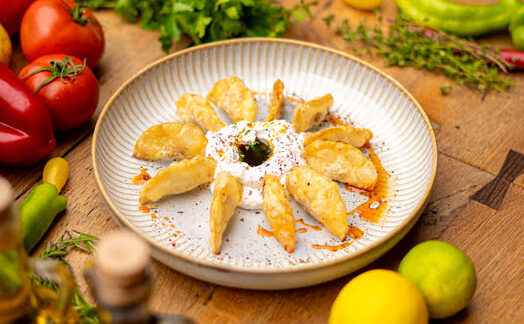
Manti is an ancient dish with an unparalleled flavor
Get Acquainted with the Historical Story of Manti in Different Cultures + Fried Turkish Manti Recipe Manti is a delicious secret that comes from the depths of history Manti is a delicate and delicious dough filled with a delectable combination of meat, vegetables, or cheese. This attractive and flavorful dish has long graced the tables of people from different lands. The origin of this delicious food can be traced back to Central Asia and countries such as Turkey, Azerbaijan, Armenia, and China. Manti is so old that some sources date it back to ancient times and the Mongol Empire. Below, you will discover the secret to the deliciousness of this historical dish and how to make it. History of Manti Manti dates back to Central Asia’s Mongol Empire and ancient times. The name of this delicious dish comes from the Chinese word “mantou” which means “steamed bread.” Throughout history, it has also been known by various names: In Azerbaijan: DushbaraIn Georgia: KhinkaliIn Italy: RavioliIn Russia: PelmeniIn Afghanistan: MantoIn China: WontonManti is not only a delicious dish but also has cultural significance. It is considered an essential and symbolic food at festivals, special occasions, and various ceremonies. Manti in Different Cultures This delicious food is prepared with unique finesse and creativity in each region as if each chef hides a secret ingredient within the dough. Turkish manti is made with a combination of meat and onion, while Azerbaijani and Armenian mantı are made with meat and vegetables. In China, “jiaozi” and in Japan, “gyoza” are made with pork, Chinese cabbage, and chives. In Germany, mantı is filled with ground meat, sausage, and spinach. However, in Italy, where the dish is known as ravioli, fillings such as cheese, meat, vegetables, or even seafood are used. In Russia, “pelmeni” is made by filling the dough with ground meat, onions, and spices and then boiling it in water. In Greece, the dish is called “manitaria” and the dough is filled with cheese, spinach, and onions. “Momos” is an Indian version of mantı that is filled with meat, cheese, or vegetables and steamed or fried. In Poland, the dough is filled with meat, cheese, potatoes, or vegetables. The sauce used in this dish is special and different in each country. The sauce used in this dish is special and different in each country Turkish Manti with Delicious Turkish Sauce This delicious and popular dish is actually a type of dough filled with various ingredients that is cooked with unique finesse and creativity in many cultures. Turkish manti, also known as “mantı”, is one of the most popular varieties of this dish with its unique taste and flavor that has fans all over the world. Ingredients for the Dough: Flour: 3 cupsEggs: 2Water: 1/2 cupSalt: 1/2 teaspoonIngredients for the Filling: Ground meat: 350 gramsOnion: 1 smallChopped parsley: 4 tablespoonsSalt: 1 teaspoonBlack pepper: To tasteIngredients for the Yogurt Sauce: Greek yogurt: 2 cupsGarlic: 3 clovesSalt: 1/2 teaspoonDried dill: 1 tablespoonIngredients for the Tomato Sauce: Tomato paste: 450 gramsOlive oil: 4 tablespoonsWater: 1 cupRed pepper flakes: 2 teaspoonsInstructions for Making the Dough: Mix flour and salt in a large bowl.Beat eggs in a separate bowl and then add to the flour.Gradually add water and mix with a spoon until the dough starts to form.Knead the dough on a floured surface for 10-15 minutes until it is smooth and elastic.Place the dough in a greased bowl, cover with plastic wrap, and let it rest at room temperature for 30 minutes. Instructions for Making the Filling: Mix ground meat, grated onion, chopped parsley, salt, and black pepper in a bowl until well combined.Instructions for Making Manti: Divide the dough into several parts and roll out each part separately.Using a teaspoon, place some of the filling in the middle of the dough.Pinch the edges of the dough together to seal the manti.Place the prepared manti on a tray that has been sprinkled with flour.Bring a large pot of water to a boil and add some salt.Boil the manti for 5-7 minutes until they are soft.Drain the cooked manti in a colander. Instructions for Making the Yogurt Sauce: Mix Greek yogurt, grated garlic, salt, and dried dill in a bowl until smooth.Instructions for Making the Tomato Sauce: Mix tomato paste, olive oil, water, and red pepper flakes in a small saucepan.Place the saucepan over low heat and simmer for 10-15 minutes until the sauce thickens. Serving Tips: Place the cooked manti in a serving dish.Pour the yogurt sauce and tomato sauce separately over the manti.You can also garnish the manti with mint and sumac.Tips: For a better flavor, you can use a mixture of ground beef and lamb. How to Make Delicious Fried Manti: In this method, the manti are first boiled in water and then fried in oil until they are crispy and delicious. This cooking method has a stronger and more satisfying flavor. If you want to make fried manti, you can add the following steps to the recipe above: After boiling the manti in water, drain them in a colander.Pour some oil into a large skillet and heat over medium heat.Add the manti to the skillet and fry for 5-7 minutes until they are crispy and golden brown.Serve the fried manti with yogurt sauce and tomato sauce.Tips: Use hot oil to fry the manti so that they become crispy.Be careful not to overcook the manti, as they will become hard and dry.You can use your favorite sauces to serve fried manti.The Secret to Delicious Manti: The secret to delicious manti lies in the delicacy and precision of its preparation. From the thin and soft dough to the flavorful filling and the delicious sauces, every detail plays a role in creating the unique taste of this dish. The dough should be thin enough to cook easily and to transfer the flavor of the filling well. The filling should also be carefully selected and combined to have a balanced taste. Sauces also play an important role in completing the flavor
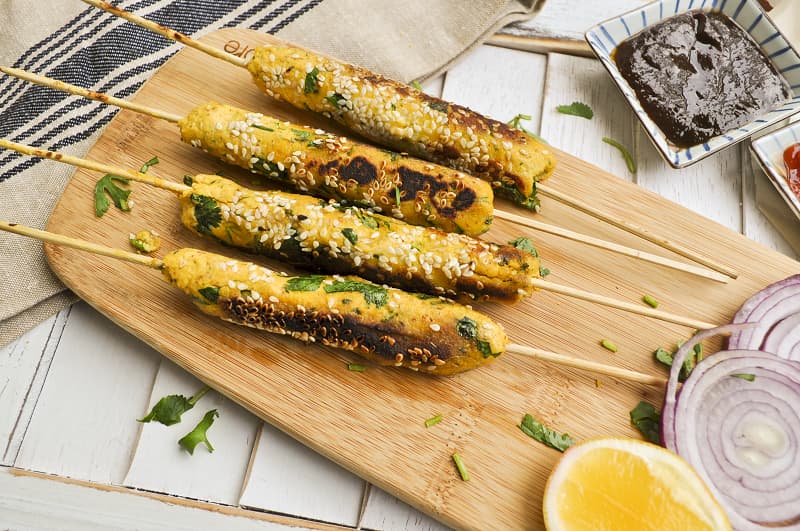
Patrolling the world of kebab
Patrolling in the world of kebab A masterpiece of culinary art that has a historical date The invention of kebab goes back to ancient times. It is difficult to pinpoint the exact first person or place that invented this delicious dish. But it seems that the Seljuks, Ottomans, and Safavids in the Middle East region, especially in Turkey and Iran, were the first groups to prepare it in their own ways.Grilling as a traditional method of cooking meat was used in regions such as Turkey and Iran, and with the passage of time, it was transferred to other parts of the world. This unique style of cooking quickly found a place among different climates and cultures.In ancient times, people used fire to cook food. One of the easiest ways to cook food with fire was grilling. Over time, cooks learned how to season any kind of meat well before burning it.The first historical evidence of cooking food with fire dates back to about 120,000 years ago in Iran. The term “kebab” means “small cone of fire” and probably the reason for this name is the shape of the fire in which the food is cooked.In Ferdowsi’s Shahnameh, kebab is mentioned as a favorite food of kings and elders.Barbecue cooking has a long history in Türkiye. The variety of kebabs in this land is exemplary. In the book “Turkish Recipes” written by “Hakim Bin Ali”, he mentions all kinds of kebabs as a delicious and nutritious meal.This delicious dish became more popular with the formation of the Ottoman Empire and was used in various ceremonies, such as celebrations, mourning, and banquets. Getting to know the most famous kebabs in the world Kebab is one of the most popular foods in the world, which is prepared in different countries with different methods and raw materials. Here are some countries that prepare this wonderful food in their own way: Iran: Kobideh, Barg, Grilled Chicken, Shishlik, Chanjeh, Pan Grill, and Caucasian.Turkey: Doner, Shish, Adana, Izmir, grilled chicken, ribs and duck kebabs.Argentina: Asado, one of Argentina’s most popular dishes, is made with different types of meat, such as beef, chicken, and pork. Asado is usually cooked outdoors over a fire.Brazil: Churrasco is one of the most popular dishes in Brazil, made from different types of meat, such as beef, chicken, and pork. Churrasco is usually cooked outdoors over a fire.Georgia: Kebab Lounge, Kebab Lola, and Kebab Chapachuri.Greece: Soroli is one of the most popular dishes in Greece, which is made from minced lamb or veal and is prepared in the form of small skewers.China: Shaokao is one of the most popular dishes in China, which is prepared from minced lamb or veal and prepared on small skewers.Mexico: Barbacoa is one of Mexico’s most popular dishes, made from a variety of meats, such as beef, chicken, and pork. Barbacoa is usually cooked outdoors over a fire. In addition to these countries, other countries also have their own kebabs. For example, in Arab countries, shish kebab and grilled chicken are very popular. In European countries, Turkish kebabs and Asian kebabs are very popular. Lesser known and strange kebabs In addition to the famous kebabs in the world, there are other attractive kebabs, some of which are:Spiral Kebab:Country of origin: TürkiyeCooking method: Chicken or veal meat is made into a tube and placed on a stick. Then they turn it over the fire to cook it from all sides. The result of the work comes out of the rod in the form of rings. Chelow Kebab:Country of origin: AfghanistanCooking method: cut the beef or mutton into long pieces and place them on half of the chelo (cooked rice). Then they decorate with tomato, cucumber, Omani lemon and mint. Giraffe Kebab:Country of origin: AfricaCooking method: beef or camel meat is cut into larger pieces and placed on long sticks. This kebab is known as “Giraffe” due to its long shape. Scottish Haggis Kebab:Country of origin: ScotlandCooking method: It is made from local Scottish flavors, “haggis”. Haggis is a combination of sheep offal (heart, liver, lung) with barley sprouts. They put it on a stick and then cook it. Sesame Kebab:Country of origin: JapanCooking method: it is prepared from chicken or beef with a coating of egg and sesame. Then they put it on a stick and cook it in a sauce of soy, ginger and Japanese sauce. Star Kebab:Country of origin: EgyptCooking method: beef or veal is made into spirals and placed on conical or star rods. Then it is flavored with special Egyptian spices. Iranian culinary masterpieces: from Bakhtiari kebab to shishlik and traditional kobideh Iranian kebabs, with their unique combination of spices and a special kind of cooking, have earned their place as one of the world’s most popular dishes. Some of the most famous kebabs include the following:Kobideh: It is prepared from minced sheep meat or a mixture of sheep and veal meat.Leaf: It is prepared from sliced meat of sheep or calf.Grilled chicken: It is prepared from chicken or chicken.Shishlik: made from lamb or calf ribs.Chenje: It is prepared from pieces of sheep or veal meat.Pan: It is prepared from minced meat or sliced meat and cooked in a pan.Caucasian: It is prepared from sheep or veal meat and cooked in small skewers.Bakhtiari: It is prepared from minced sheep or veal and chicken meat and cooked in small skewers. The intricacies and art behind kebab : from marinating to perfect cooking Kebab is one of the most popular foods in the world, which is prepared in different countries with different methods and raw materials. But regardless of the type of barbecue, they all have one thing in common: the sophistication and artistry behind their scenes. One of the most important steps in cooking meat is marinating or seasoning it. Marinating helps the meat to soften and absorb the flavors of the spices and other marinating ingredients. For Iranian kebabs, they usually use different spices, saffron, fresh lime juice or orange juice, olive oil, grated
